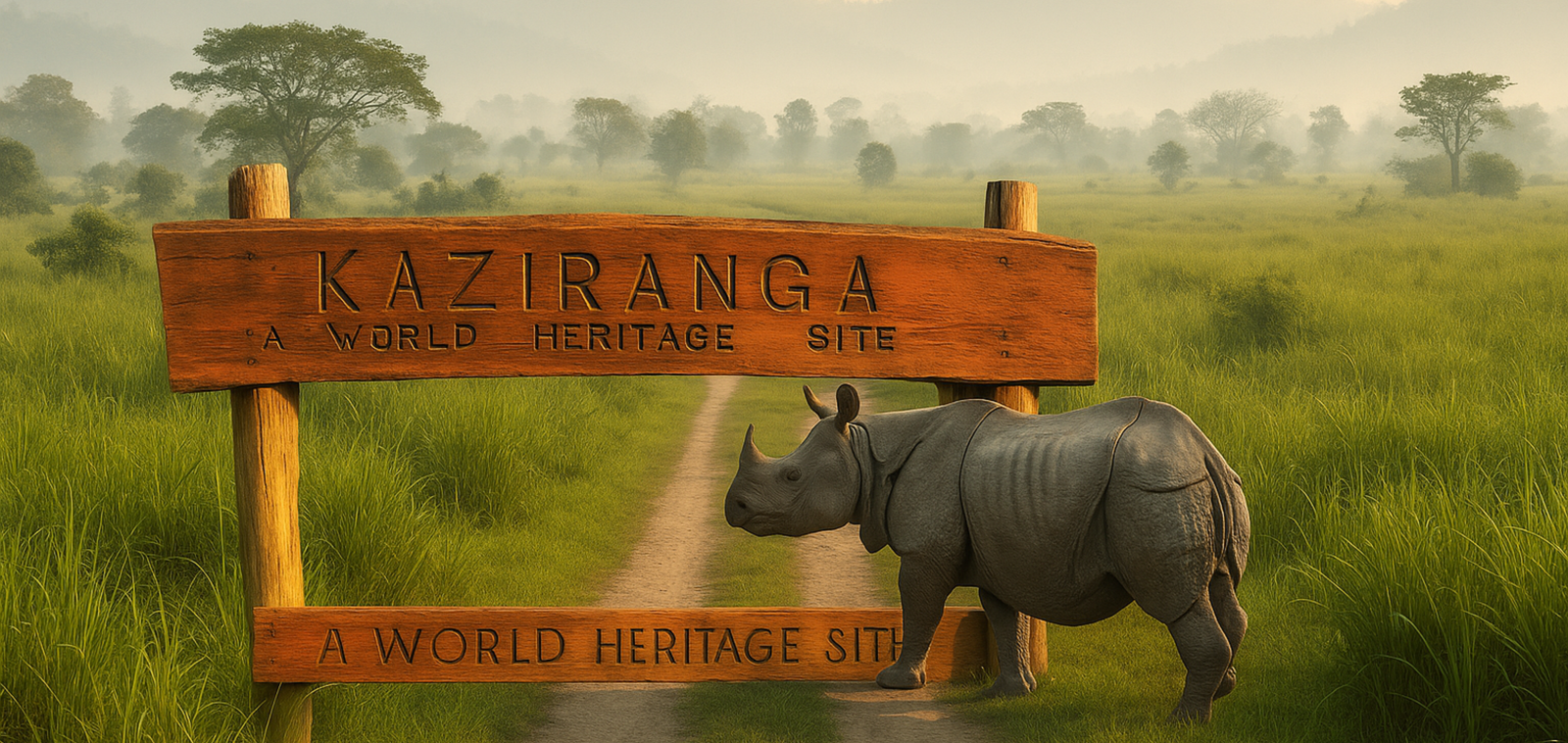
Book your safari, enjoy the wild adventure!
Kaziranga Jeep Safari Booking Price
| Safari Zones | Indian | Foreign | Duration |
|---|---|---|---|
| Kohora (Central) Range | 4000 / Jeep | 7500 / Jeep | 2 hours |
| Bagori (Western) Range | 4200 / Jeep | 7700 / Jeep | 2 hours |
| Agaratoli (Eastern) Range | 4500 / Jeep | 8500 / Jeep | 2 hours |
| Burapahar Range | 5000 / Jeep | 9000 / Jeep | 2 hours |
Kaziranga Elephant Safari Booking Price
| Safari Zones | Indian | Foreign | Duration |
|---|---|---|---|
| Kohora (Central) Range | N/A | 4000 / Person | 1 hour |
| Bagori (Western) Range | 2000 / Person | N/A | 1 hour |
| Agaratoli (Eastern) Range | N/A | N/A | N/A |
Kaziranga National Park is not just a protected reserve; it is a living symbol of India’s commitment to preserving its natural heritage. Located in the heart of Assam, spreading across the picturesque districts of Golaghat and Nagaon, Kaziranga is where the raw beauty of nature reveals itself in every leaf, every ripple of the water, and every call of the wild. Recognized as one of the last unspoiled natural ecosystems in the Indian subcontinent, this iconic park is celebrated worldwide for its successful conservation of the Indian one-horned rhinoceros, along with many other endangered species.
The story of Kaziranga begins in 1904, during the British colonial era, when Mary Curzon, the wife of the then Viceroy of India, Lord Curzon, visited the region. Disturbed by the absence of rhinos in an area where they were once plentiful, she persuaded her husband to take steps toward the protection of this dwindling species. Her concern led to the establishment of Kaziranga as a reserved forest in 1905. Over the decades, Kaziranga underwent several changes in its status—eventually being declared a wildlife sanctuary and finally designated as a National Park in 1974, nearly seven decades after its humble beginnings.
Kaziranga is much more than a rhino habitat. It is a vibrant, thriving ecosystem teeming with a wide array of biodiversity. The park hosts a mosaic of habitats—tall elephant grasslands, marshlands, and dense tropical forests—all nourished by the mighty Brahmaputra River, which flows along its northern boundary. These landscapes provide refuge not only to the famed rhinoceros but also to majestic elephants, royal Bengal tigers, swamp deer, wild buffalo, and an astonishing variety of birds. In fact, Kaziranga is also recognized as an Important Bird Area (IBA), making it a paradise for birdwatchers from across the globe.
One of the most remarkable aspects of Kaziranga is the sense of wild freedom it offers. Unlike many other reserves where sightings are rare, here, animals roam fearlessly and are often visible even from the main roads. The park’s success in conservation is not just the result of strict protection but also a deep cultural connection shared by the local communities, who have coexisted with the forest for generations and take immense pride in its legacy.
Every visit to Kaziranga feels like stepping into a different world—a world untouched by time, where the harmony between man and nature still exists, and where the earth beats with the rhythm of wild hearts. Whether you come for the thrill of a jeep safari, the serene charm of an elephant ride at dawn, or the simple pleasure of watching migratory birds take flight over a tranquil wetland, Kaziranga leaves every traveler spellbound.
In essence, Kaziranga is not just a destination—it is a journey into the soul of wild India, a tribute to the country's natural wonders, and a reminder of what can be achieved when humanity decides to protect and preserve the beauty of our planet.

KNP is located in the floodplain of the Brahmaputra River in the Nagaon, Golaghat and Sonitpur districts of Assam, India, covering an area of 1030 km² and is the largest protected area on the southern bank of the Brahmaputra River. The terrain of the park is flat (55-75 m above msl) with an east to west incline. Being in the floodplain of the Brahmaputra River, the soil of the park is rich in alluvial deposits (Barua & Sharma, 1999). The park, also declared as a tiger reserve by Government of India, derives its name from the Karbi language in which the word ‘Kazi’ means ‘Goat’ or ‘Deer’ and ‘Rangai’ means ‘Red’, thus meaning ‘the land of red goats or deer’. The Park rests in the ecologically rich Indo-Malayan Biogeographic realm, complexing the elements of both the Indian and Malayan origins, giving it a distinct landscape ranging from woodland–hilly area, woodland- grassland, grassland-water bodies to river islands. A large number of small rivers and channels flow through the park from east to west, mostly originating from the Karbi Anglong hills to the south, run northwards and ultimately drain into Brahmaputra River, adding to its catchment area.
Book Your Safari Now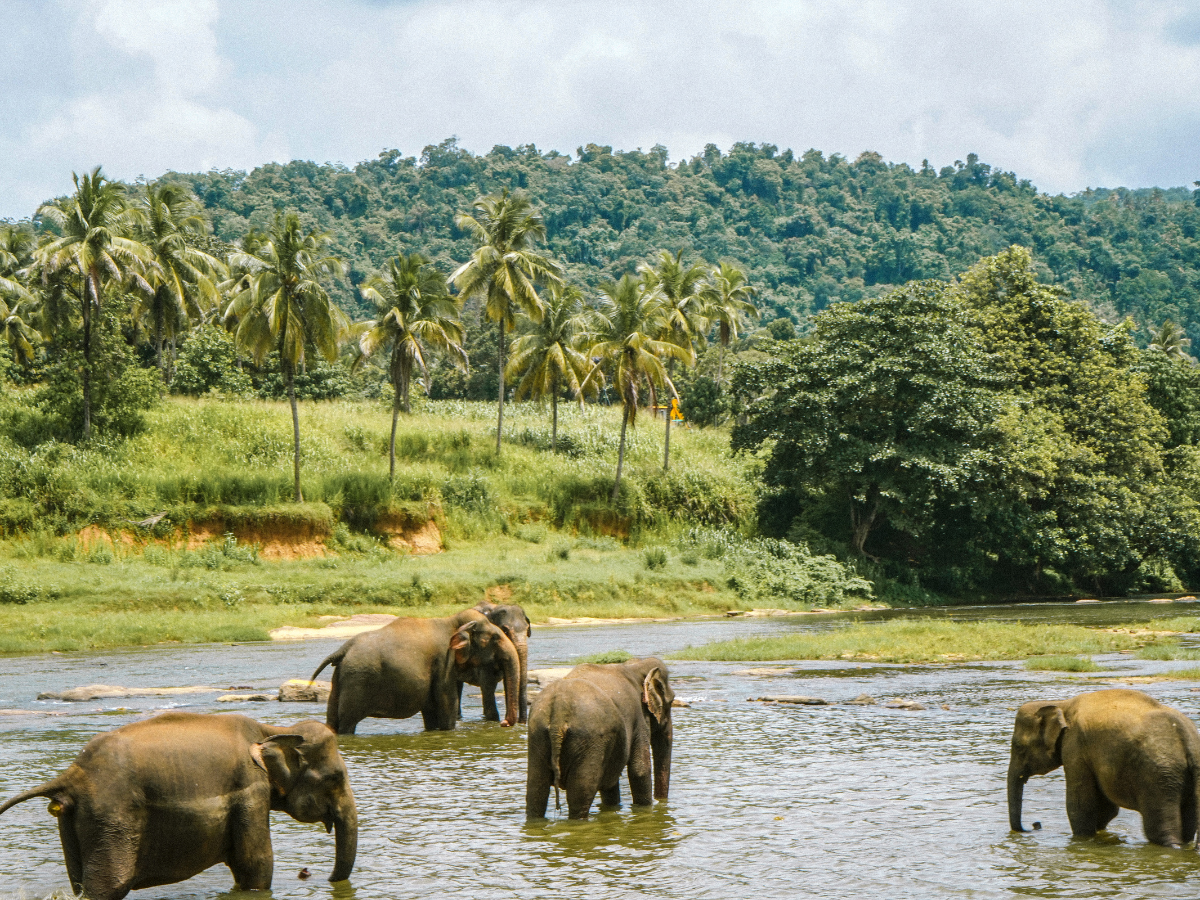
Kohora Range - The Kohra Range is the longest of the tourist routes, a 3 - to 4-hr safari in this range offers almost a complete sense of Kaziranga and its wildlife. You may see rhinos, elephants and wild buffaloes. A couple of huge ficus trees (when with fruit) here often have majestic pied hornbills feeding on them; owls, serpents and fishing eagles peer through wooded stretches, monitor lizards blend into tree trunks, and sometimes elephants and rhinos lurk in the tall grass. Turtles sun themselves on branches lodged in the water, otters frolic in a pond and you can catch colourful minivets or khaleej pheasants. The large beels (water bodies) may have greylag geese feeding furiously, or rhinos wallowing in the water. Catching elephants at play in these beels is a most rewarding experience. Domestic elephants at Mihimukh Camp are given a bath in the nearby stream; in the afternoons at about 3 pm. Tiger sightings are uncommon, but not unheard of.
Bagori Range - This circuit, in the western end of the park, is known for guaranteed sightings. Near its strategic watchtower, herds of elephants graze within clear viewing distance. Head to the watchtower before sunset to view the large clearing beyond the water, bathed in a golden light. You may spot swamp deer, hog deer, buffaloes, rhinos, and wild elephants.
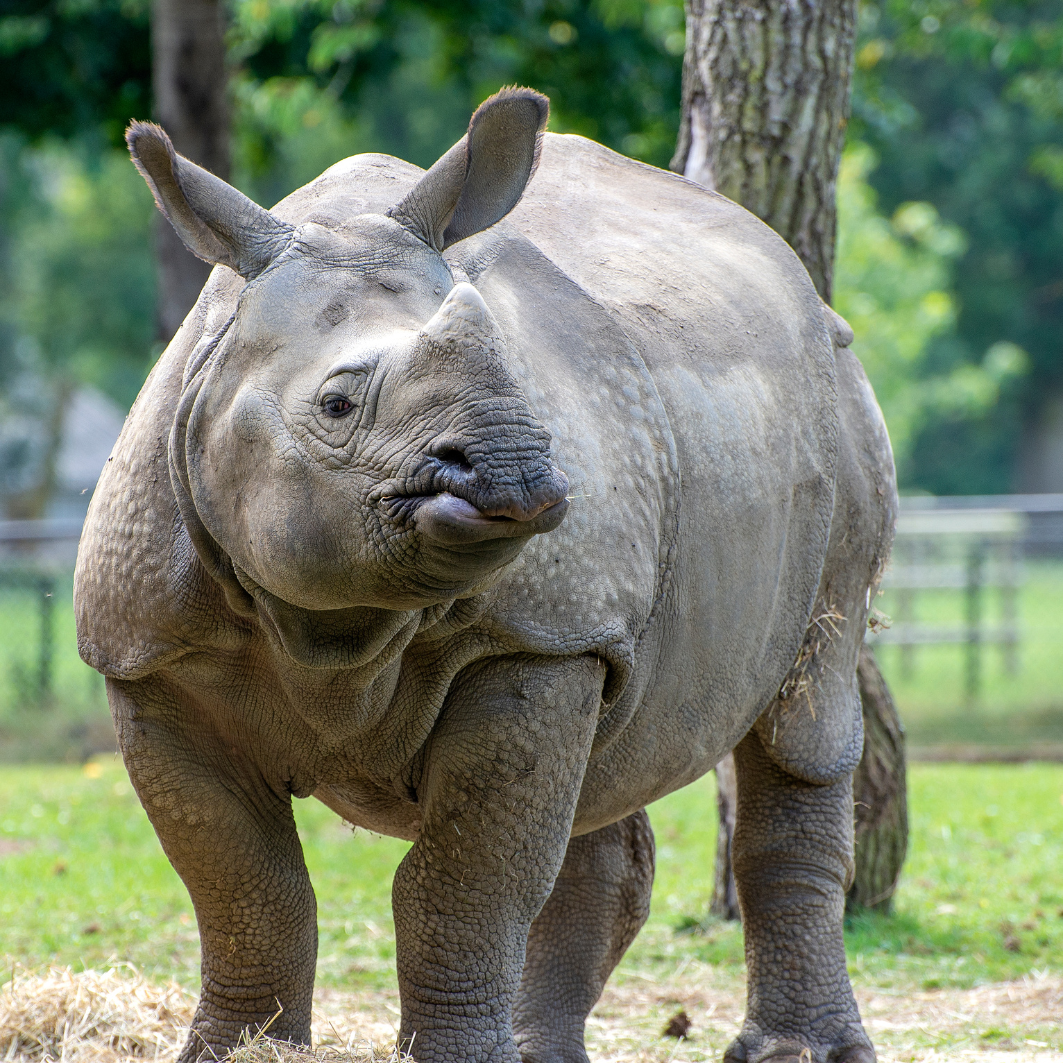
Agaratoli Range - This is the easternmost of the three routes, 21 km from Kohora Base. This range is slightly more wooded than the other two and animal sightings are slightly less frequent. Birds, however, are abundant. Forest guards report tiger sightings here quite often and there’s a pelican colony towards the end of the circuit.
Panbari Reserve Forest - A few kilometres east of Kohora, this 10 sq km patch is one of Kaziranga’s few remaining highland stretches along the Karbi Anglong foothills that has not been eaten into by tea estates. The canopy is thick. The road is a rough ride but is worth it. The terrain has winding streams and lots of green. One can spot hoolock gibbons high up in the canopy and, if you’re lucky, you could see a ‘cat langur’. Birds are aplenty here and you may come across elephants. For Panbari, you have to hire a guard from Kohora. The trip can take up to 3 hrs.
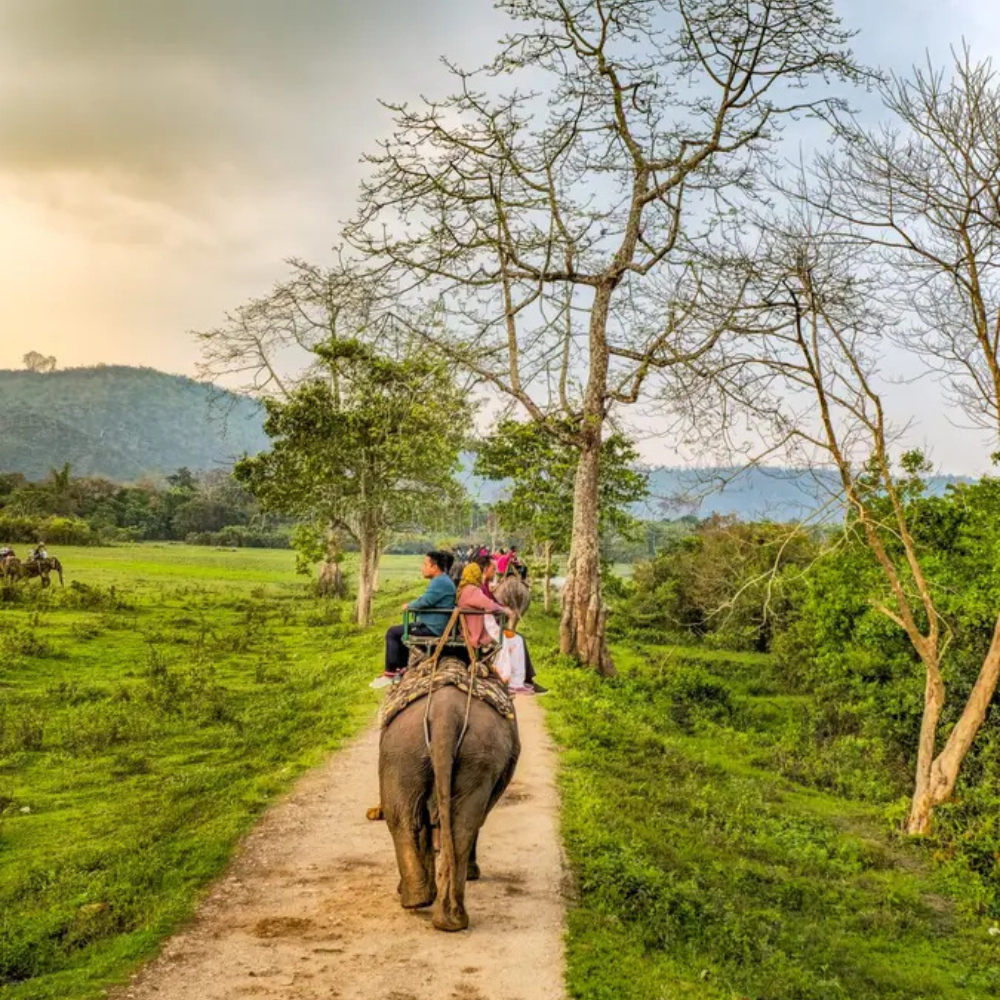
Price starting at ₹3499 per person (Minimum 4 pax)
Click here to open the itinerary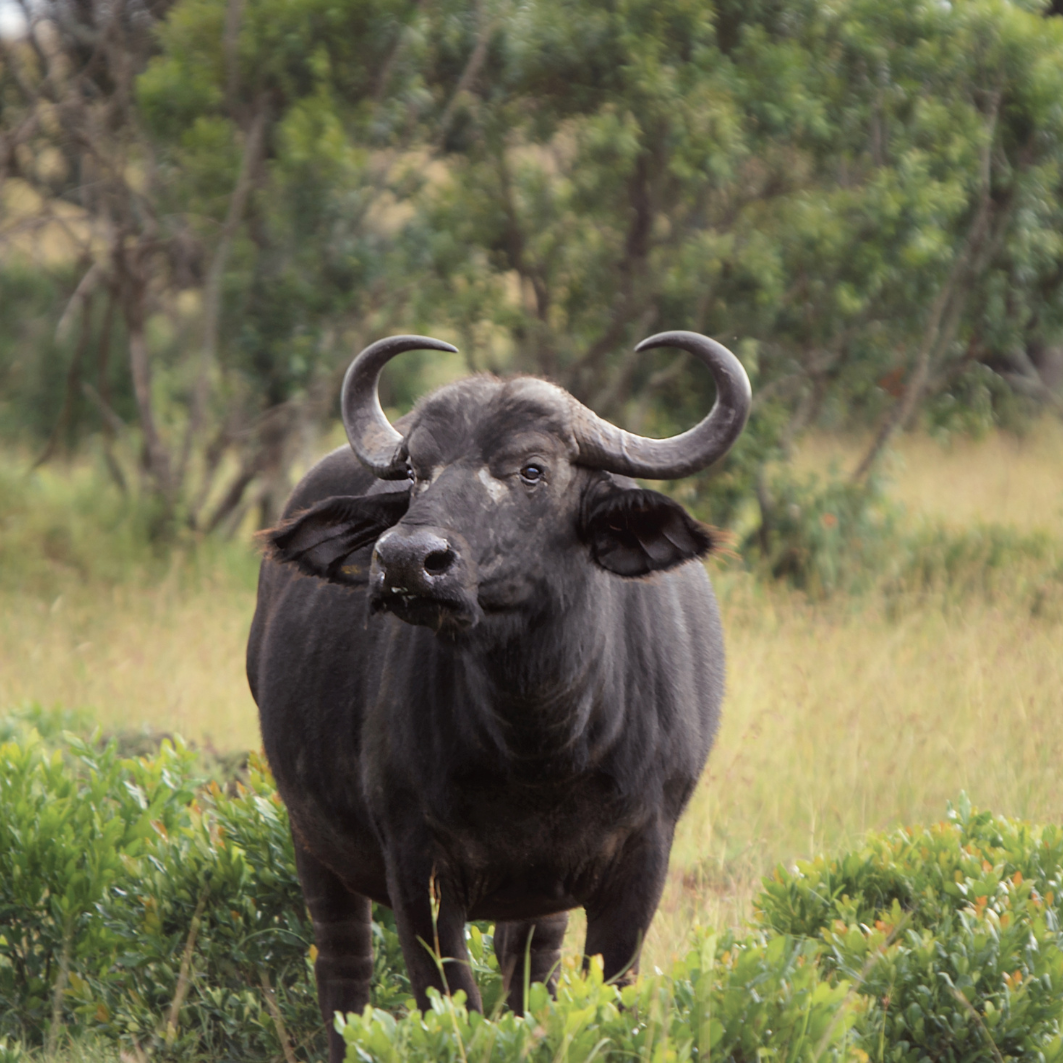
Price starting at ₹4999 per person (Minimum 4 pax)
Click here to open the itinerary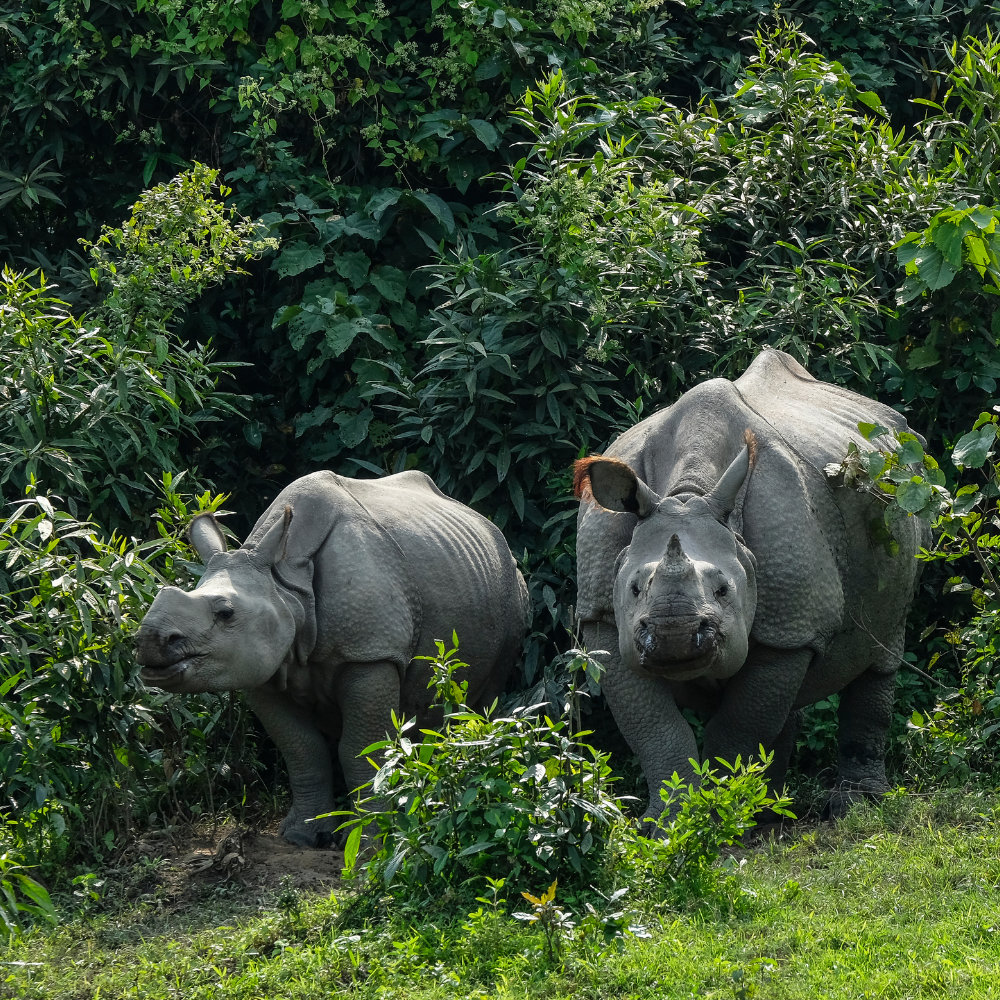
Price starting at ₹6999 per person (Minimum 4 pax)
Click here to open the itinerary
To enhance tourism in Kaziranga National Park, the area is divided into different tourism zones —
Kohora, Bagori, Agartoli, and Burapahar.
All zones are rich in wildlife including tigers, rhinos, wild buffalo, and deer, which can be easily
spotted via jeep or elephant safaris.
For booking confirmation of elephant or jeep safaris, we provide a quick and simple online process.
Follow the steps below to book your safari easily.
| 1 | 1905 | The Conservation journey Begins (and the journey continues…) |
| 2 | 1905 | Lady Curzon visited, saw only hoof marks of Rhino; urged conservation |
| 3 | 1908 | Declared as Reserve Forest |
| 4 | 1916 | Declared as Game Sanctuary |
| 5 | 1937 | Opened for Tourists |
| 6 | 1950 | Named as Kaziranga Wildlife Sanctuary |
| 7 | 1974 | Notified as a National Park |
| 1 | Kaziranga National Park | 429.93 Sq. Km. |
| 2 | First Addition to KNP | 043.79 Sq. Km. |
| 3 | Third Addition to KNP | 000.69 Sq. Km. |
| 4 | Fourth Addition to KNP | 000.89 Sq. Km. |
| 5 | Fifth Addition to KNP | 001.15 Sq. Km. |
| 6 | Sixth Addition to KNP | 376.50 Sq. Km. |
| 7 | Kurkurakata Reserve Forest | 015.93 Sq. Km. |
| 8 | Panbari Reserve Forest | 007.65 Sq. Km. |
| 9 | Total Area Calculated | 882.00 Sq. Km. |
| 1 | Mammals | 39 species including rare and endangered species under Schedule I |
| 2 | Birds | 478 species including 25 globally threatened and 21 near-threatened |
| 3 | Reptiles | Various Lizard, Snake & Turtle species |
| 4 | Fishes | 40 different species recorded |
| 1 | Moist Mixed Deciduous Forests | 29.13% |
| 2 | Grasslands | 51.91% |
| 3 | Water Bodies | 06.62% |
| 4 | Swampy Marshy Areas | 05.21% |
| 5 | Sand | 07.12% |

We at Kaziranga National Park welcome all tourists to the world of Indian wildlife tourism known as the land of Royal Bengal Tigers as well as the final abode of the one-horned Rhinoceros. India is unique country on the globe blessed with a diversified environment in which loads of different flora and fauna co-exist.
+91-8812811142
booking@kazirangasafaribooking.com
kazirangasafaribookings@gmail.com